Solutions
for scientific professionals
Whether you're designing novel synthetic routes, accelerating drug discovery, or formulating consumer products, SynovAI adapts to the workflows that matter to you.
Quick Navigation


Synthetic Chemists
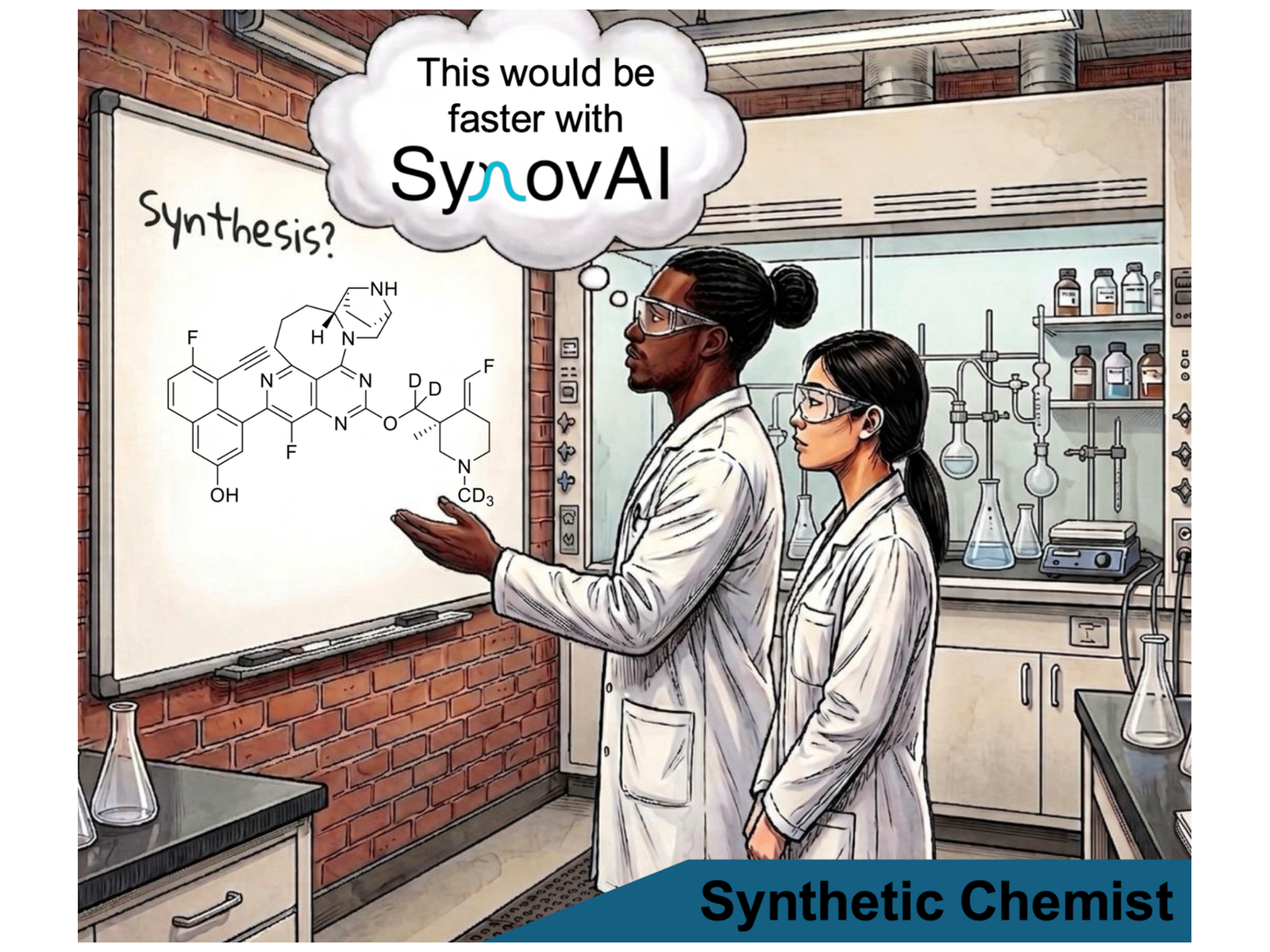
Synthetic chemistry transforms molecular ideas into tangible reality through creativity, expertise, and experimentation. However, growing molecular complexity demands tools that accelerate route design, streamline decision-making, and empower chemists to move from concept to compound with greater speed and confidence.
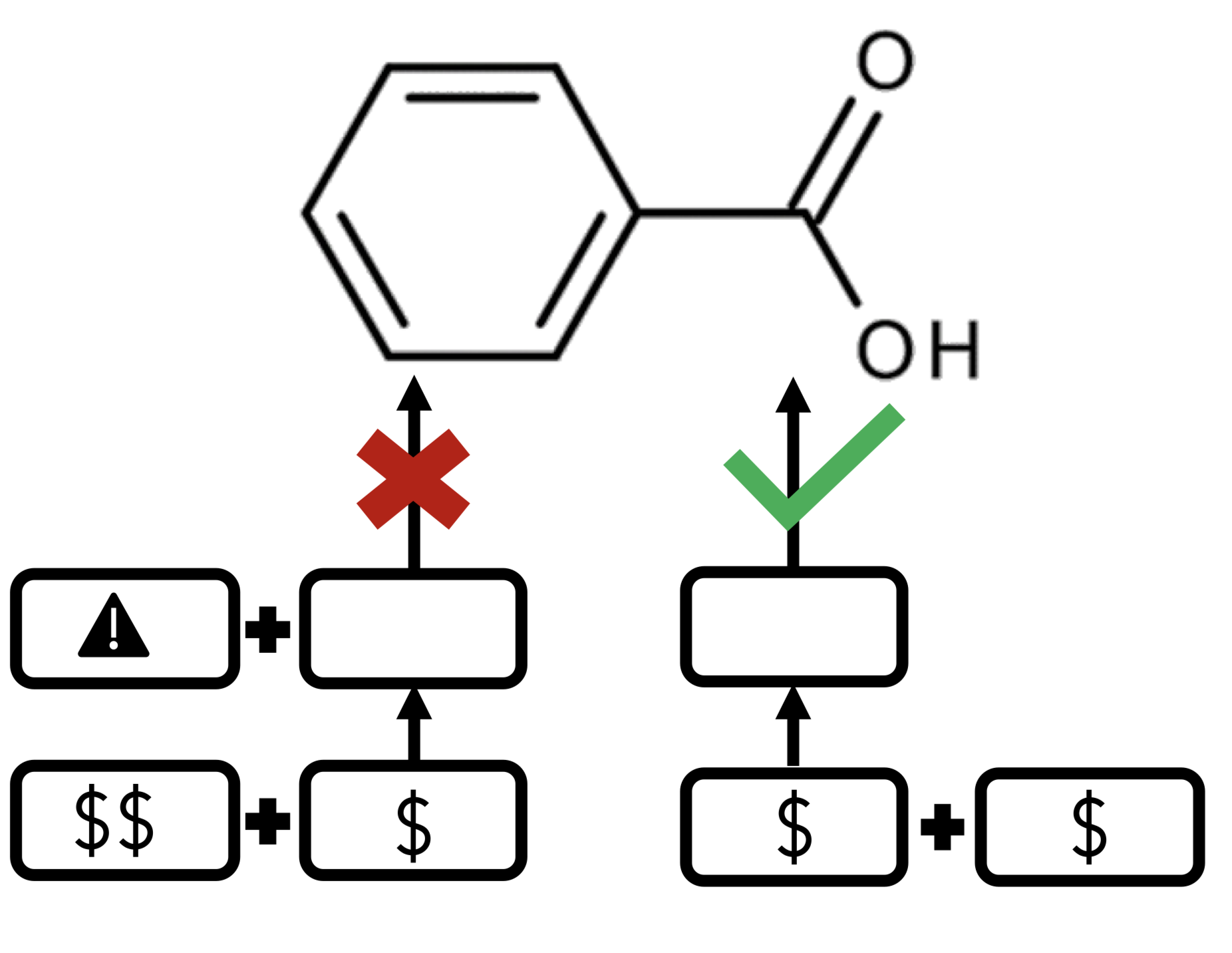
Rapid Route Scouting for New Targets
Built-in confidence scores and reference entries assess synthetic feasibility of the target molecule. Evaluate step counts, reagent accessibility, and estimated yields, and "favorite" promising pathways to build a robust synthesis plan.
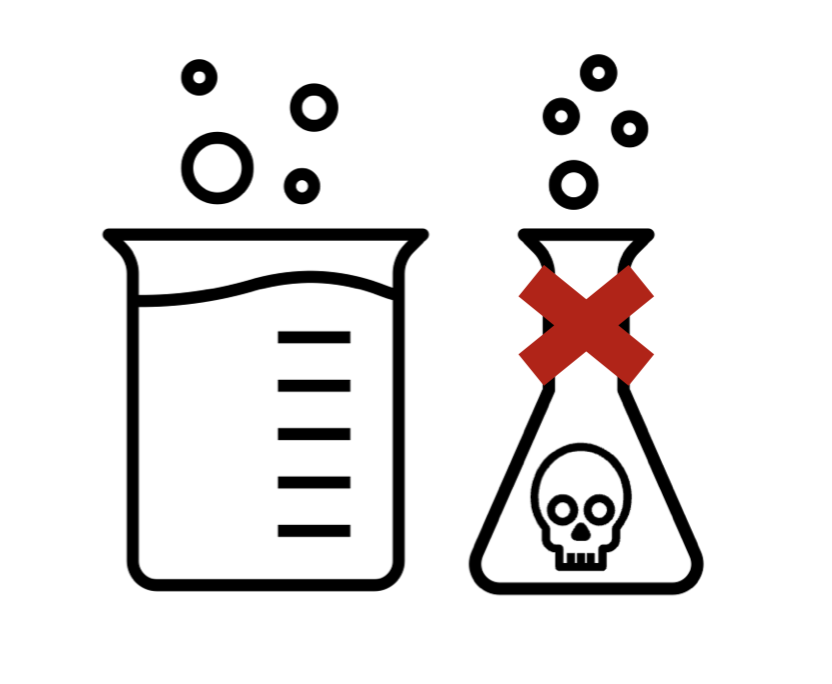
Hazardous Materials Warnings
Routes that require hazardous materials are highlighted. Click the Bench Requirements option to see these materials and an explanation to choose what kind of chemistry you are comfortable pursuing.
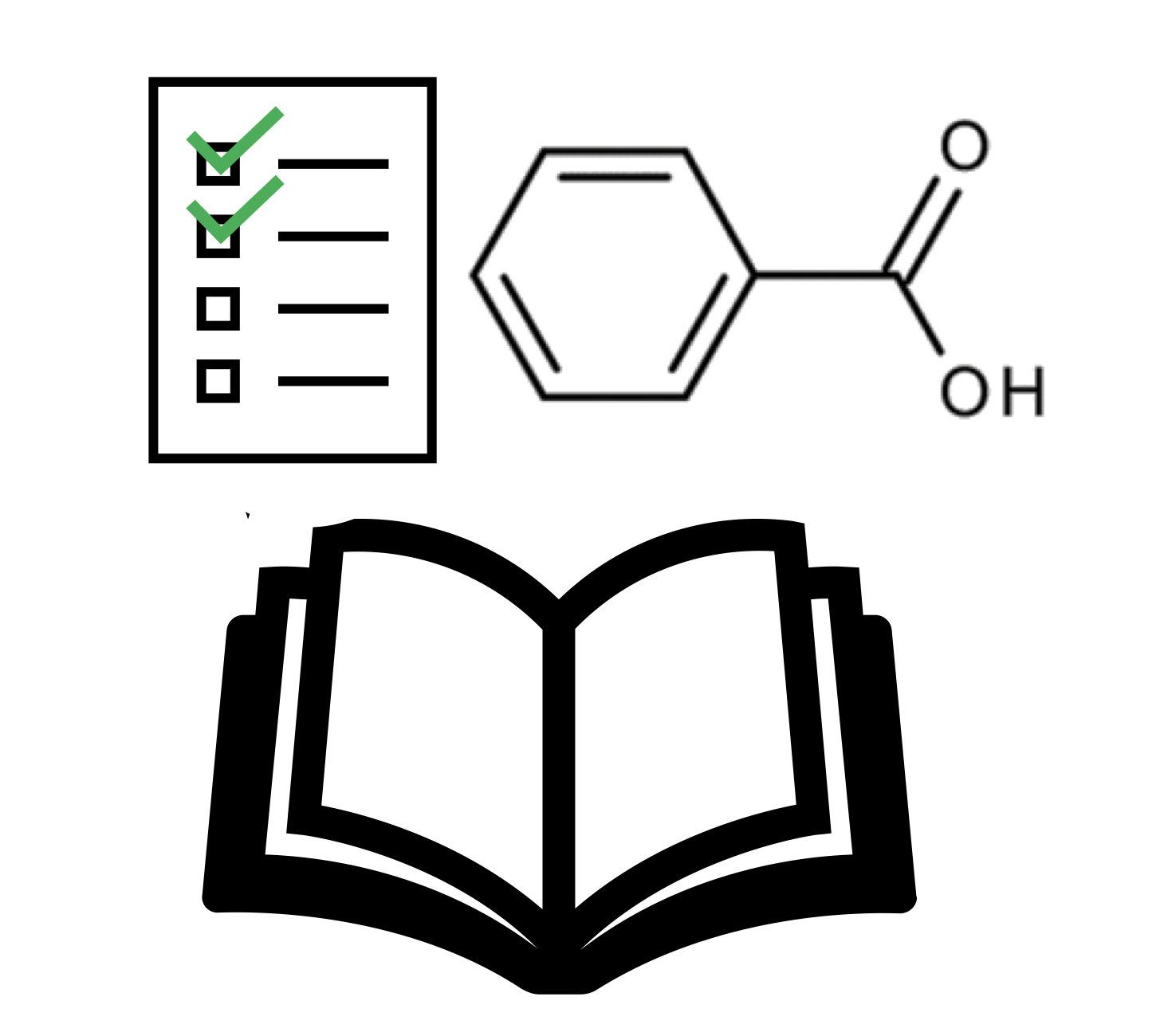
Literature Procedure Discovery from Known Transformations
Be informed of the type of chemistry each reaction step requires using experimental procedures from patent literature. Click “Bench Requirements” to see specific reagent quantities, solvents, temperatures, and other experimental conditions for each proposed route.
Computational Chemists
Computational chemistry empowers scientists to design and predict new molecules at unprecedented scale, but true impact emerges only when those virtual discoveries can be translated into experimentally accessible compounds.
Benchmarking Retrosynthetic Predictions
Use the built-in confidence scores and reference entries to assess how well the model recovers established chemistry.
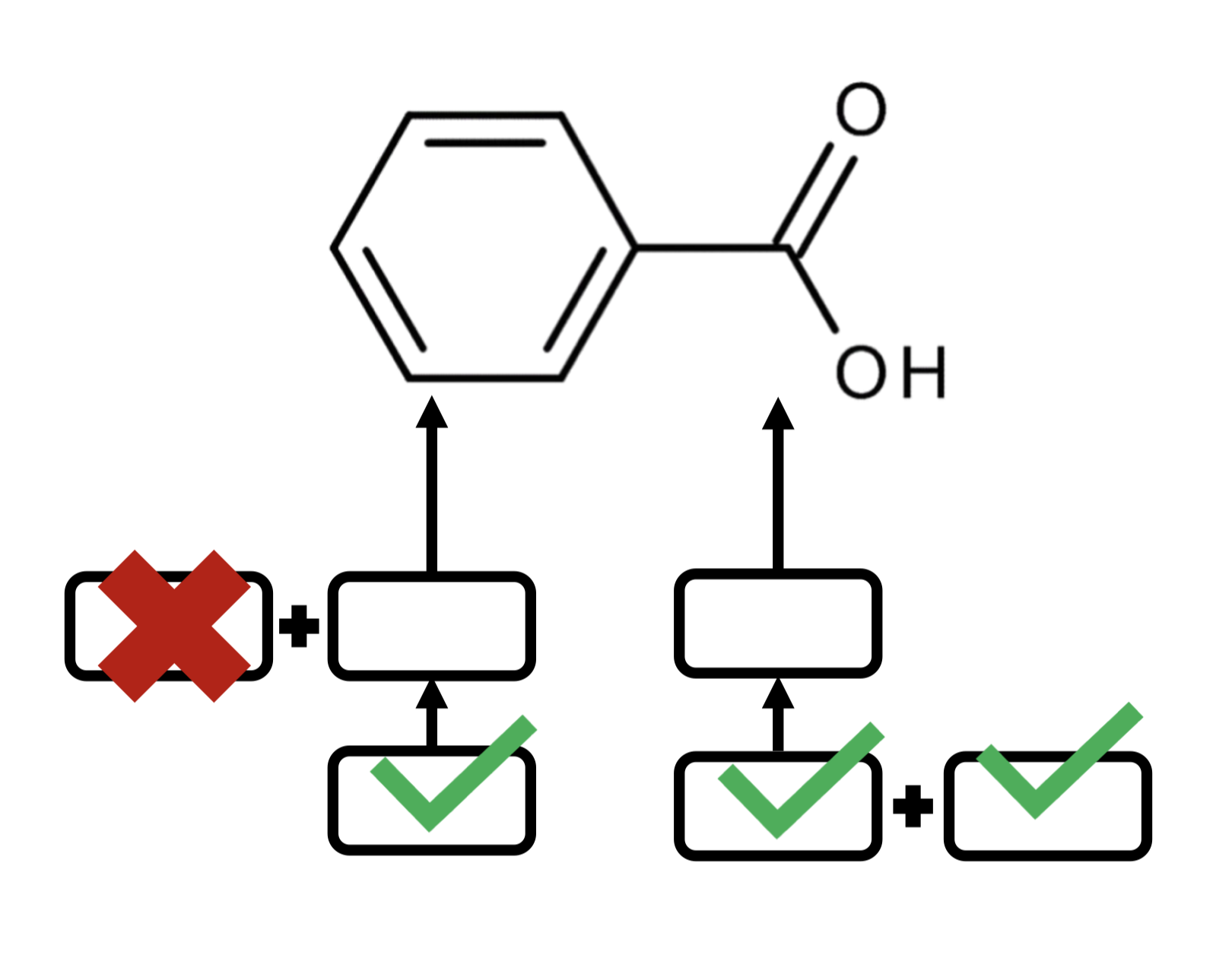
Validating Synthetic Feasibility of Computationally Designed Molecules
Assess synthetic accessibility of candidate structures and prioritize which hit to advance to synthesis. Routes with high confidence and commercially available starting materials indicate tractable targets.
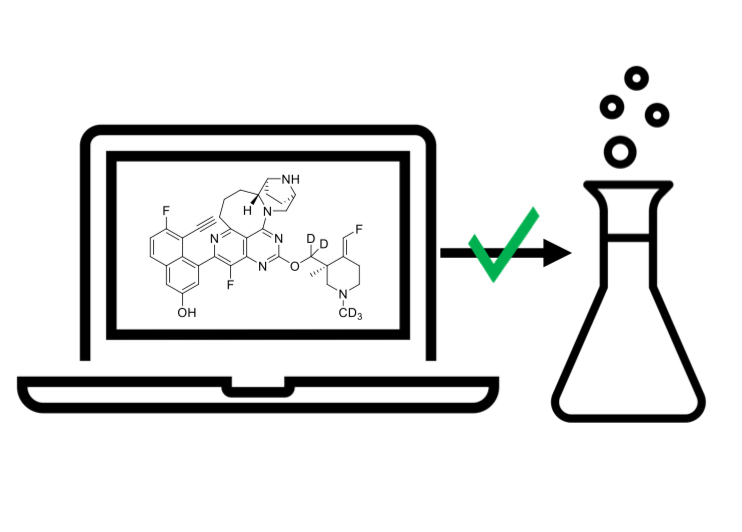
Exploring Synthesis Possibilities of Complex Structures
Run multiple analyses at varying step count and precedent level to reveal classical strategies and unconventional disconnections that may inspire new retrosynthetic hypotheses.
Medicinal Chemists
Medicinal chemistry sits at the intersection of biology, chemistry, and design, where success depends on rapidly refining molecules to balance efficacy, safety, and developability, demanding tools that help scientists navigate complex trade-offs and accelerate the path from promising hit to viable therapeutic candidate.
SAR Analog Library Route Planning
Structure-activity relationship studies require routes for dozens of closely related analogs. Submit each analog to identify routes that share early intermediates to enable parallel synthesis. Compare routes to identify divergent-convergent strategies that maximizes the number of analogs from a single intermediate.
Rapid Feasibility Assessment of Virtual Hits
Quickly triage synthetic feasibility of new candidate structures before committing resources. Use built-in tools to identify targets with short, high-confidence routes from available starting materials that can advance immediately.

Stereoselective Route Identification
For drug candidates where stereochemistry is critical to activity, use the Ketcher editor to draw your target with explicit stereochemistry. The platform preserves chirality in SMILES notation, and the reference entries include procedures that address stereocontrol, helping you identify routes that produce the desired enantiomer or diastereomer.
Process Chemists
Process chemistry transforms laboratory synthesis into industrial reality, where success hinges on designing routes that are safe, scalable, cost-efficient, and reproducible, requiring intelligent tools that help chemists identify robust manufacturing pathways long before scale-up begins.
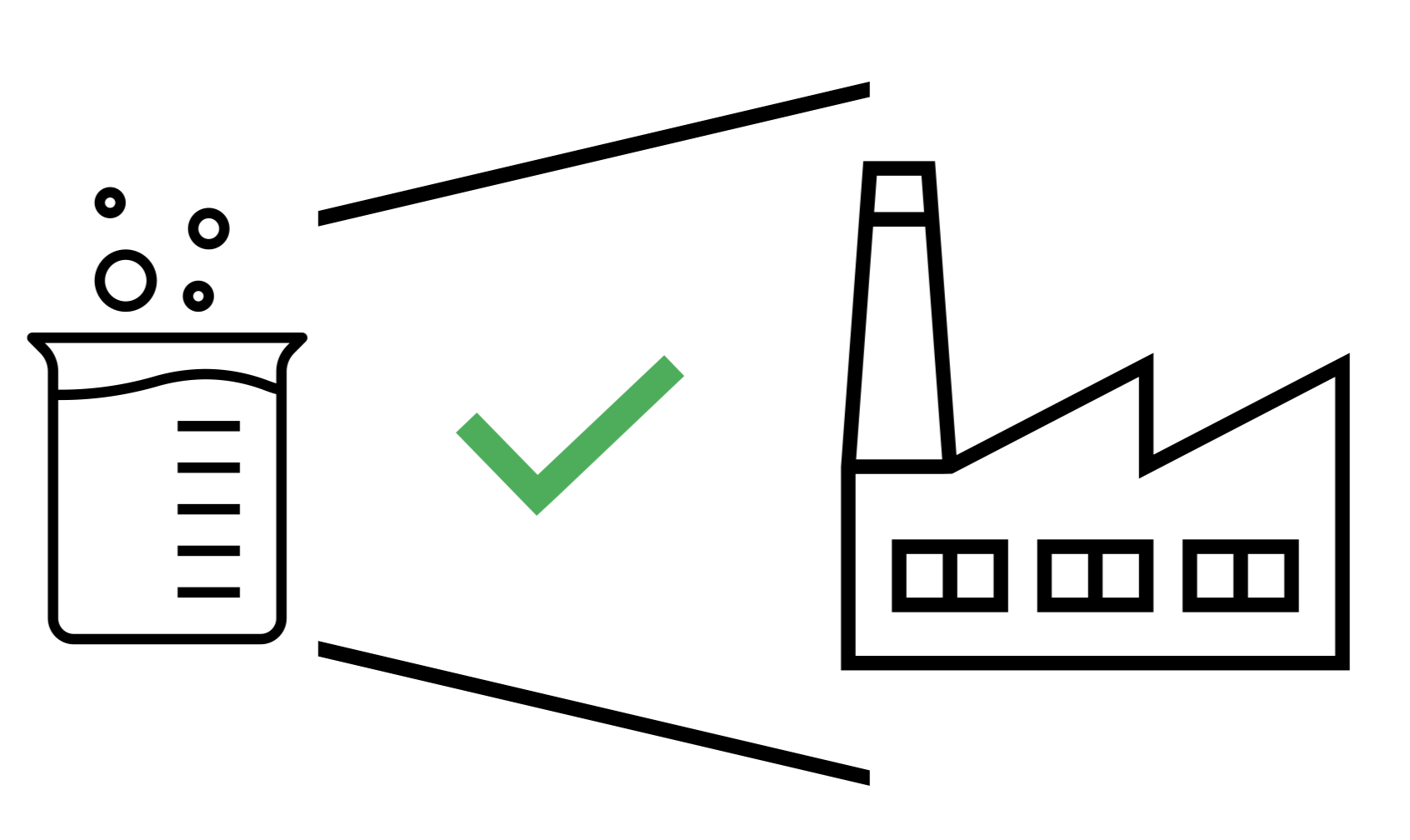
Route Evaluation and Scale-Up Feasibility
When transitioning a route to process scale, use the scalability index to identify steps that may be problematic at scale. Review the reference procedures for reaction conditions. Routes using mild temperatures, common solvents, and avoiding chromatographic purification are preferred. Compare alternative routes to find the most manufacturing-friendly path.
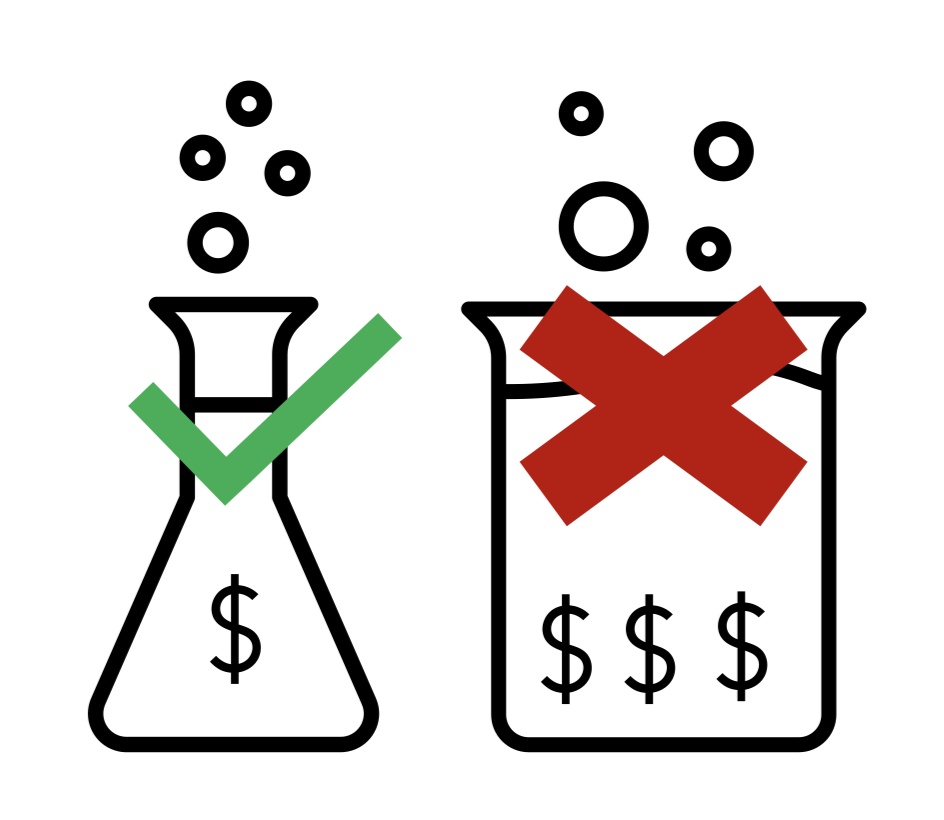
Commercial Availability to Inform Route Selection
Enable commercial stock filtering to identify commercial availability of needed materials. Compare routes by step count and reagent cost. Fewer steps with inexpensive, bulk-available reagents translate directly to lower cost.
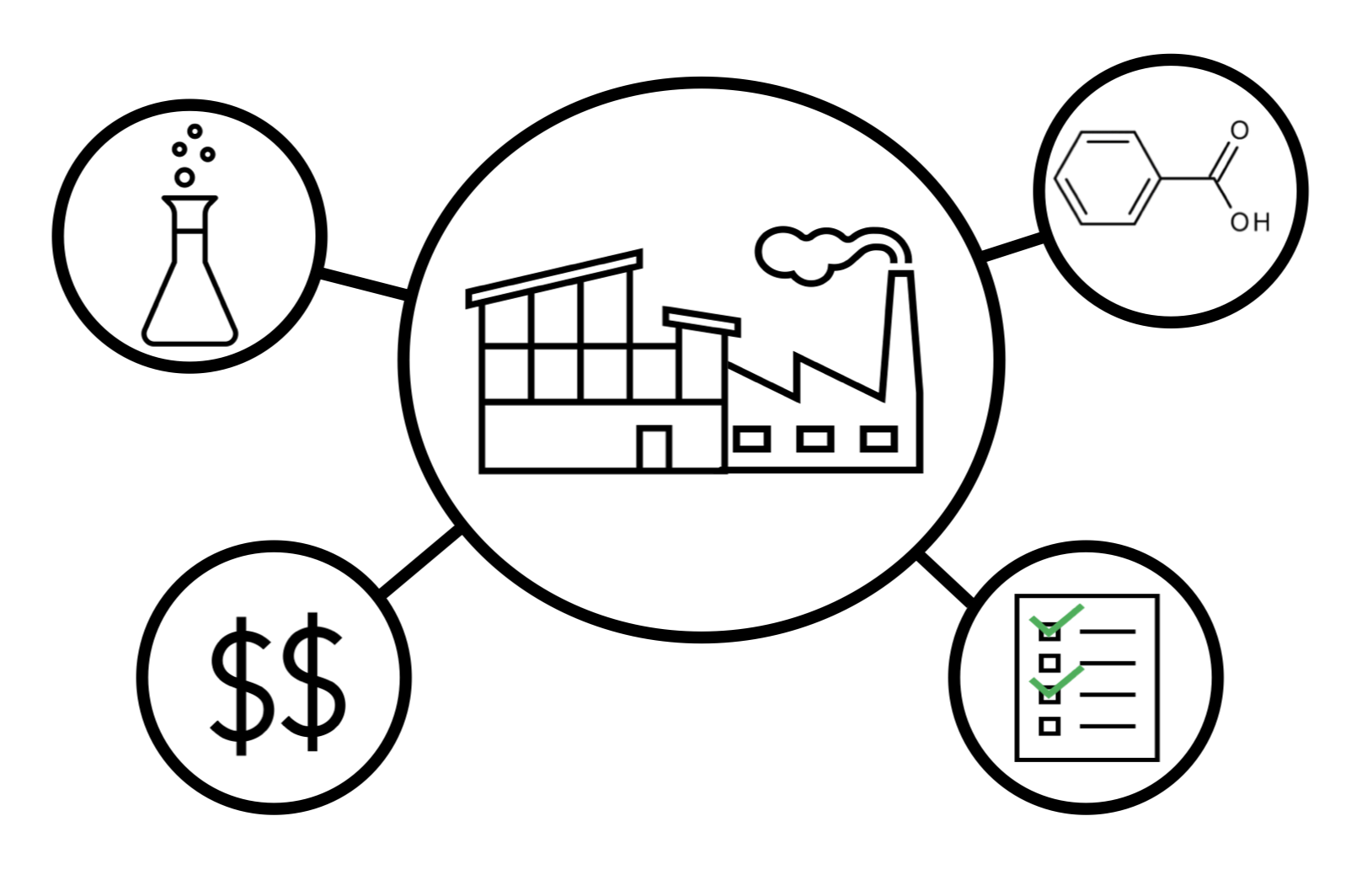
Alternative Route For Supply Chain Resilience
When a key intermediate or reagent faces supply constraints, use "the Novel" precedent setting to surface unconventional approaches that use more readily available feedstocks while still reaching your target efficiently.
Environmental Chemists
Chemicals must be evaluated not only for performance, but for persistence, toxicity, and ecological impact. Anticipation of environmental consequences during molecular planning is a key to developing sustainable, safe chemicals.
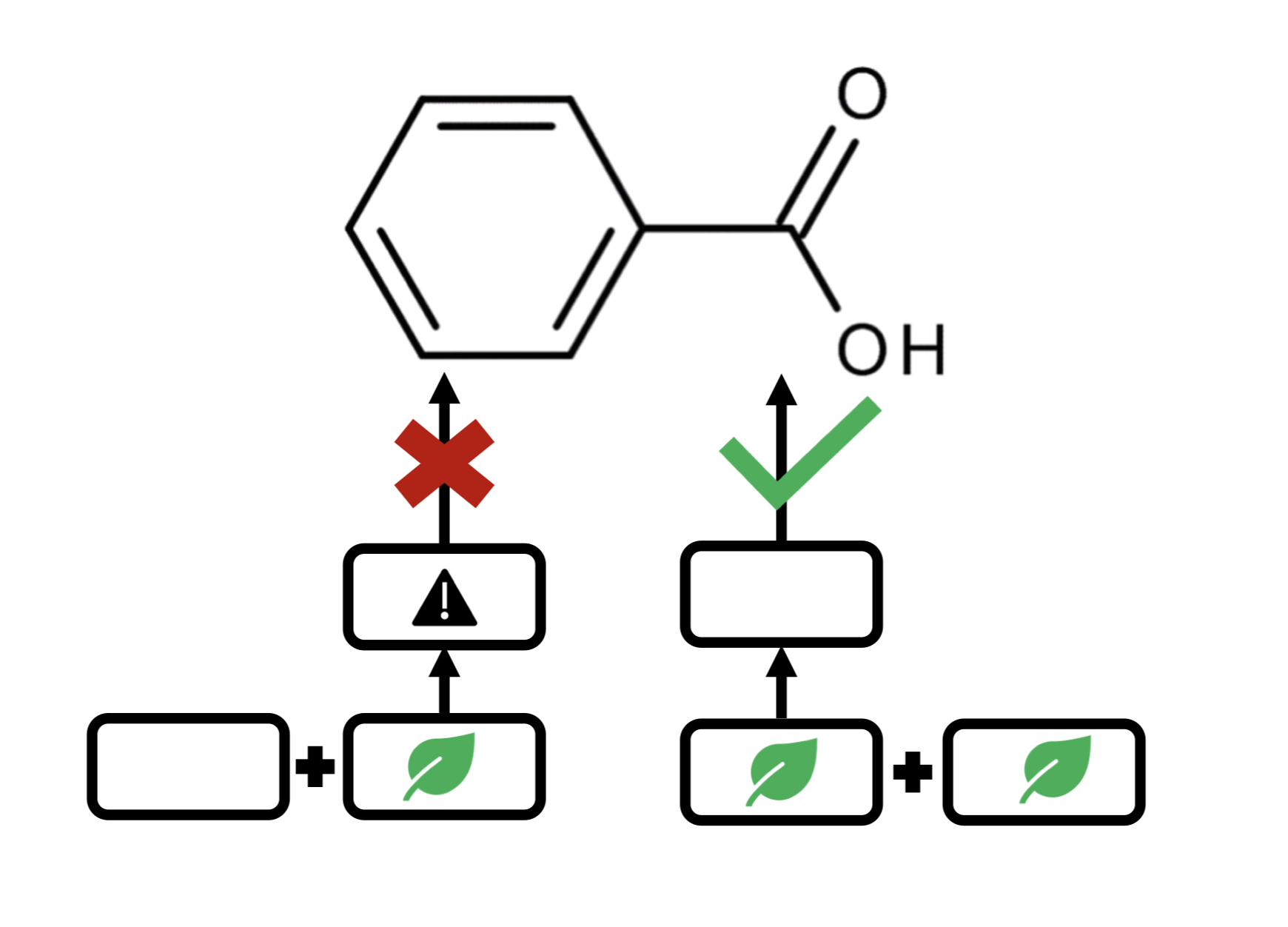
Designing Safer Routes at the Source
Explore alternative molecular designs and synthetic routes that avoid hazardous intermediates or reaction procedures. Identify potentially dangerous routes by clicking the "Bench Requirements" button to reveal hazard warnings for a specific route.

Evaluating Route Environmental Footprint
Investigate reaction conditions like temperatures, common solvents, etc. Rapidly screen manufacturing strategies and favorite those that use lower-impact processes before scale-up decisions are made.

Pollution Prevention and Remediation Strategy
When contaminants are detected, identify how they have been formed from current reaction materials. Evaluate alternative feedstocks or investigate safer replacement chemistries that reduce long-term environmental risk.
Patent Attorneys
Understanding the "known" vs. the "novel," ensures that your claims are defensible and broad enough to prevent competitors from "designing around" your assets. Transform retrosynthetic analysis into a rigorous tool for Freedom to Operate (FTO) and competitive intelligence.
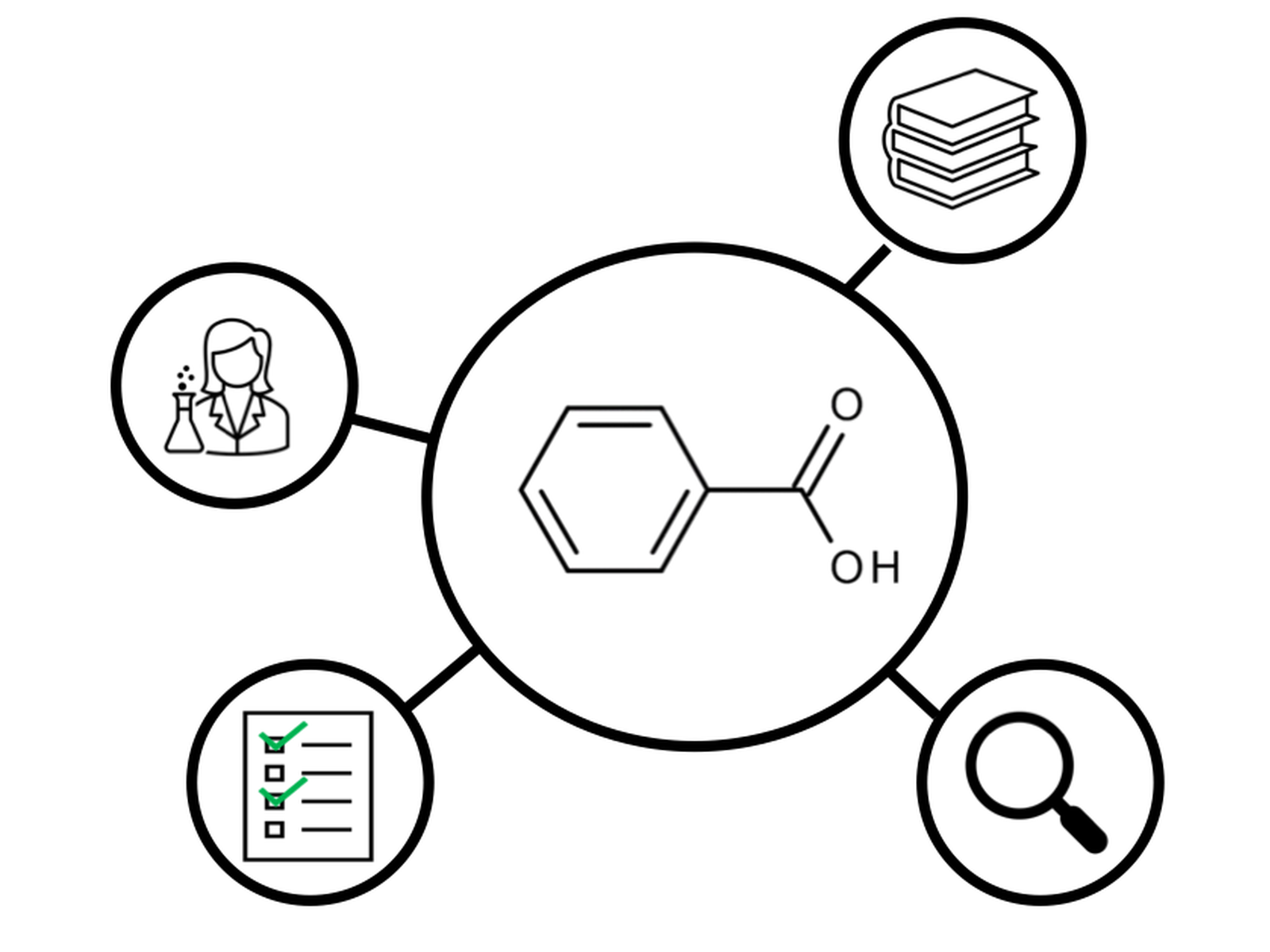
Prior Art Discovery for Synthetic Methods
Each reaction step in a proposed route links to patent references from the training data. Use the reference viewer to access the original patent documents, reaction conditions, and experimental procedures. This provides a structured starting point for prior art searches, particularly useful when evaluating whether a proposed synthetic method is novel or anticipated by existing literature.
Freedom-to-Operate Route Analysis
Generate multiple alternative synthetic routes to asses manufacturing freedom for a chemical target. Review the patent references to identify routes that avoid patented transformations. Routes with references to expired patents or well-established (non-proprietary) chemistry offer lower IP risk for manufacturing.
Synthesis Feasibility Documentation for Patent Applications
Generate plausible retrosynthetic routes with literature-backed procedures for each step. The confidence scores, reference entries, and experimental procedures provide documentary evidence supporting the enablement requirement of your patent specification.
Chemistry Educators
Chemistry education is evolving alongside the rise of AI, requiring educators to teach not only foundational chemical principles but also how to critically evaluate, interpret, and responsibly collaborate with AI-driven tools that increasingly shape modern scientific practice.

Tech Literacy in the Next Generation
Teach students to treat AI as a collaborator rather than a replacement for chemical reasoning. SynovAI provides a structured environment for students to learn responsible AI usage: validating predictions, interpreting confidence scores, and recognizing when chemical intuition should override automation.
Mechanism-Driven Synthesis Design
Encourage students to connect reaction mechanisms to real synthesis decisions. Have them generate multiple synthetic routes for a target molecule, draw full reaction mechanisms, and justify disconnections based on electronic structure, functional group compatibility, and selectivity considerations. Compare student-selected routes against SynovAI's predictions using built-in confidence scores and literature references.
Cost, Safety, and Green Chemistry Optimization
Give students a more holistic understanding of synthesis design. Instruct them to use the lab prep panel to examine reagent quantities, solvent selection, temperature conditions, and experimental setup requirements for each route. Have them estimate material cost, identify hazardous reagents, and evaluate environmental impact.